

When I was a child, it always snowed at Christmas. Sometimes there was so much snow that it covered access roads, and children could sink into it up to their knees. We always went sledding in winter, downhill—every town had small hills near schools or in parks, with long slopes that, when covered in snow, were perfect for sledding.
In this snowy atmosphere, we awaited the first star, which symbolized the Star of Bethlehem guiding the Three Kings to Jesus and signaled the beginning of the Christmas Eve supper.
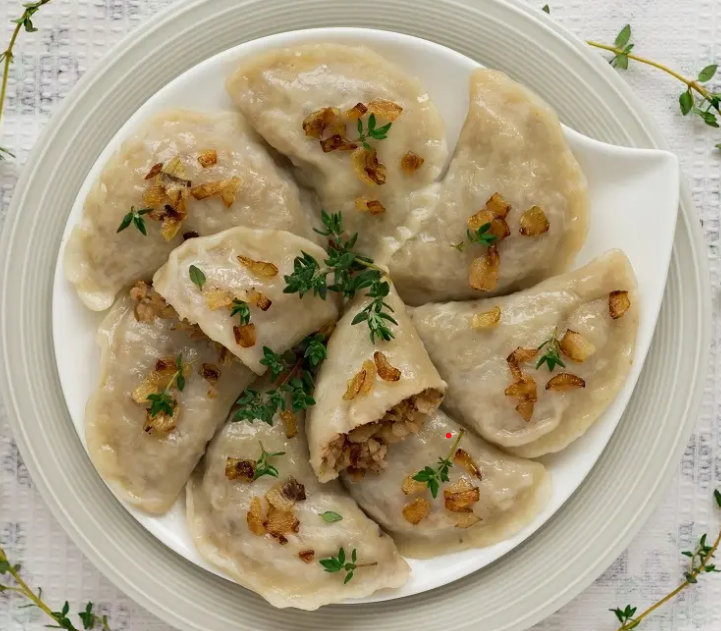
In Polish tradition, the Christmas Eve meal consists of twelve meatless dishes with unique, festive flavors. Among them are pierogi filled with sauerkraut and mushrooms, yeast cake with poppy seeds, mushroom soup, herring, various fish, and above all carp, which is most closely associated with Christmas Eve. At such a richly set table, one extra place is always prepared for the “lost wanderer.” In the past, especially in rural areas, a lonely person could join the family Christmas Eve supper. To this day, the empty place symbolizes openness, readiness to share, and togetherness.
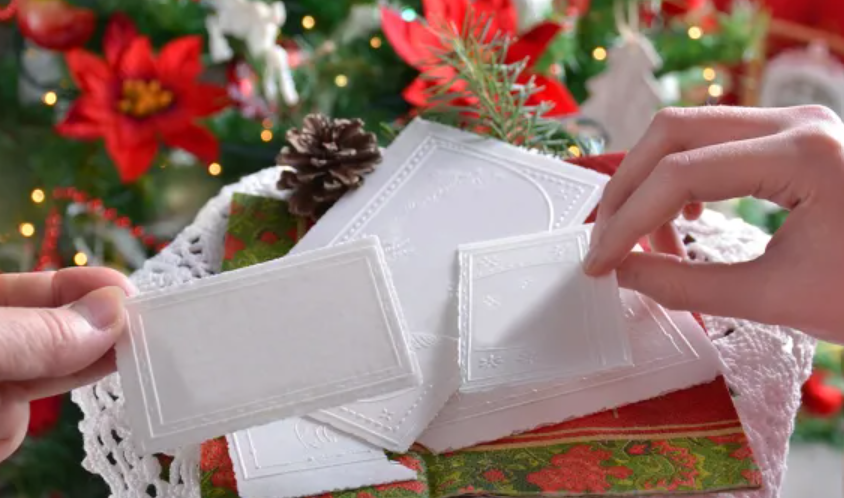
The meal always begins with the sharing of the opłatek. This is a Polish custom in which the head of the household gives each family member a piece of the opłatek (a thin wafer made of water and flour, decorated with scenes of Christ’s Nativity), which is then shared with every member of the family while exchanging Christmas wishes.
There is no Christmas Eve without the opłatek!
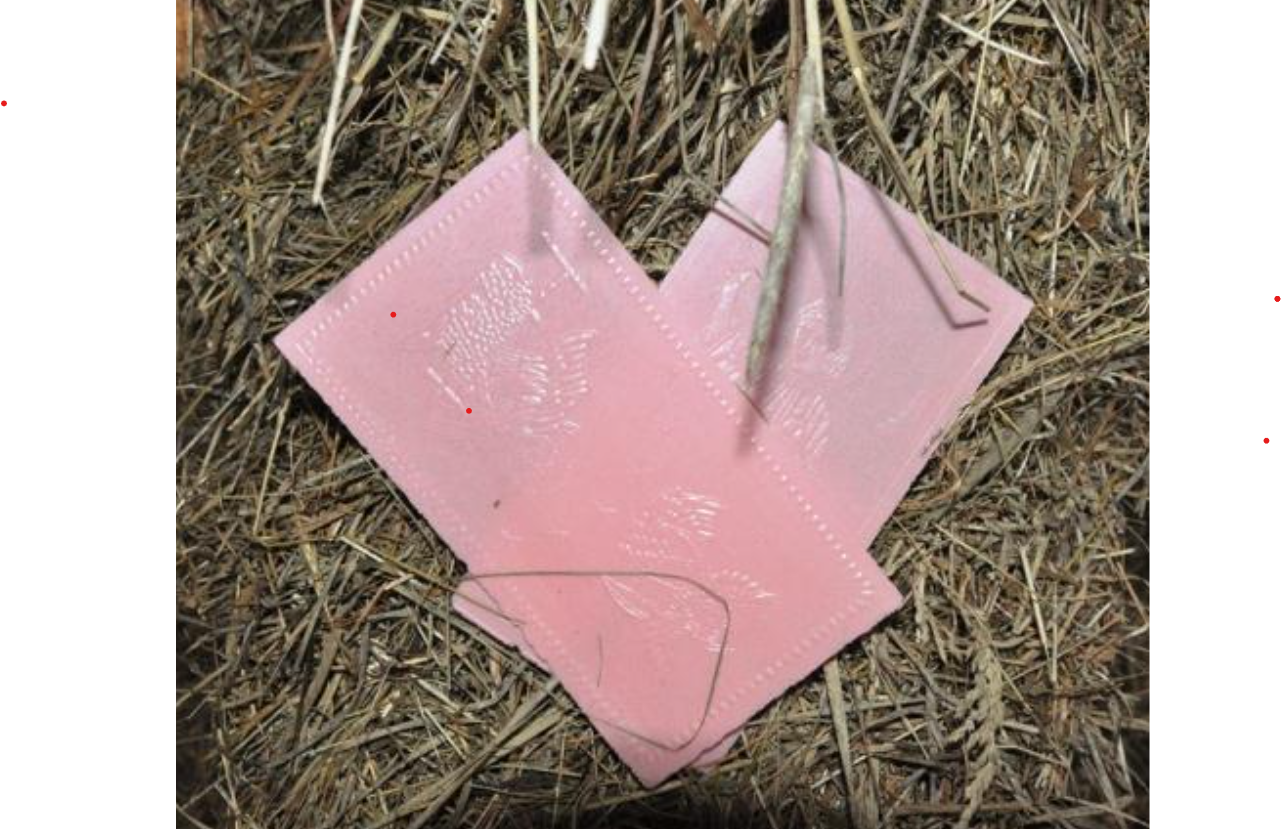
After this traditional sharing of the opłatek, we begin the solemn Christmas Eve supper, eating together, singing carols, and waiting for presents. In rural areas, there is also the custom of sharing a special colored opłatek with domestic and farm animals to ensure their health, strength, and protection. It was also believed that on this extraordinary night, animals could speak with a human voice!
After the appearance of the first star on Christmas Eve, Santa Claus would also come with gifts for children. Children believed that they had to behave well; otherwise, instead of their dream presents, Santa Claus would bring them a twig (a piece of small branch). Unwrapping presents together is a time of joy and surprises, especially for children who eagerly check whether Santa Claus has fulfilled all their wishes.
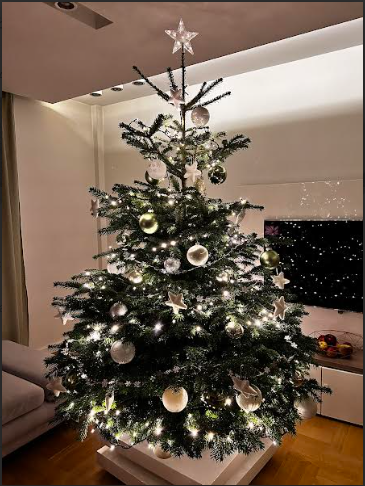
Homes are filled with a festive atmosphere, the glow of lights on the Christmas tree and the aromas of mushrooms, cinnamon, and dried fruit. After supper, there is time for playing together, enjoying the gifts, with everyone curiously admiring one another’s presents.
An important element of Polish tradition is also the Midnight Mass, known as Pasterka, which entire families attend, even with small children. It is traditionally celebrated at midnight on Christmas Eve. The following two days of Christmas are devoted to gatherings with extended family, festive dinners, and long walks afterward.
In Polish tradition, Christmas is a time filled with family gatherings, shared meals, love and joy, a time when we take special care to ensure that no one is left home alone.


